
IB (International Baccalaureate)
The International Baccalaureate is a globally recognized curriculum designed to develop critical thinking, research skills, and international awareness. It is structured into programs that span early childhood through pre-university levels, with an emphasis on inquiry-based learning and interdisciplinary connections between subjects. Students are often encouraged to explore real-world issues, cultural perspectives, and independent projects, which can help foster intellectual curiosity and self-management skills. One of the strengths of the IB is its worldwide recognition among universities, making it appealing to families who may relocate internationally. The curriculum also promotes balance through academics, creativity, physical activity, and community involvement, supporting both academic and personal development.
American Curriculum
The American curriculum is known for its flexibility and breadth of subject choices, especially in middle and high school years. Students typically progress through a credit-based system that allows them to explore electives alongside core subjects such as English, mathematics, science, and social studies. Continuous assessment, coursework, and participation often play a larger role than final examinations alone. Advanced Placement (AP) courses or honors tracks may be available for students seeking academic challenge. A key advantage of the American system is its adaptability to individual interests and learning styles, as well as its familiarity for families planning future study in the United States. The emphasis on extracurricular activities, leadership, and community involvement can also contribute to well-rounded development.

British Curriculum
The British curriculum follows a structured academic framework that progresses through clearly defined stages, often culminating in IGCSEs and A-Levels. It is widely respected for its depth of subject knowledge and academic rigor, particularly in the later years when students specialize in selected subjects. The system provides a strong foundation in core disciplines before allowing focused academic pathways, which can benefit students who already have clear interests or career goals. Examinations are an important component, offering measurable academic benchmarks recognized by universities worldwide. Many families appreciate the clarity and predictability of the structure, as well as the strong emphasis on analytical writing, mathematics, and sciences.
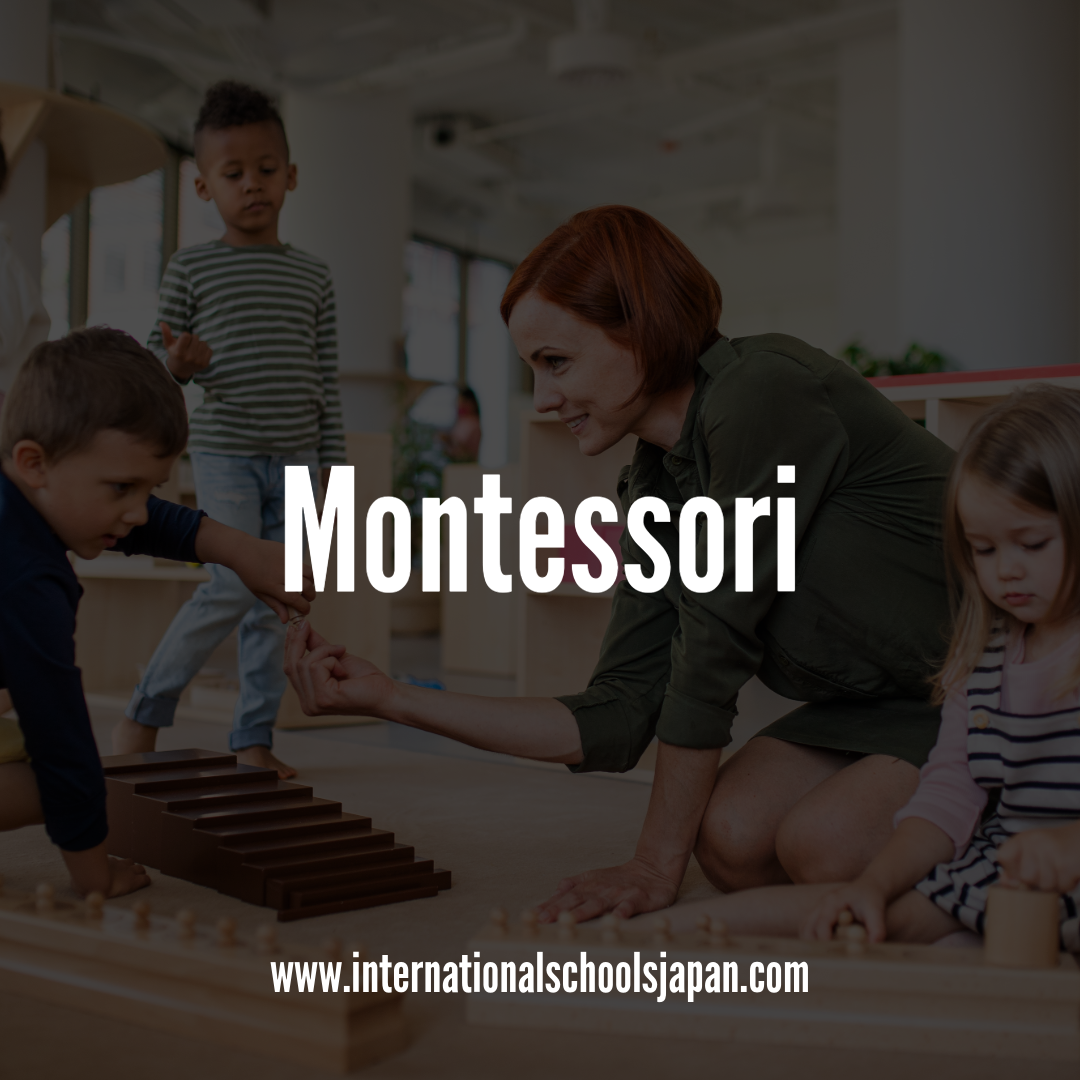
Montessori
Montessori education is centered on child-led learning within a carefully prepared environment that encourages independence, curiosity, and hands-on exploration. Rather than traditional grade levels, classrooms often group children of mixed ages, allowing younger students to learn through observation and older students to develop leadership and mentoring skills. Teachers act more as guides than lecturers, supporting self-directed discovery. This approach is particularly strong in early childhood and primary education, where it can help build confidence, concentration, and intrinsic motivation. The focus on practical life skills and sensory learning can be especially beneficial for children who thrive in tactile or experiential environments.
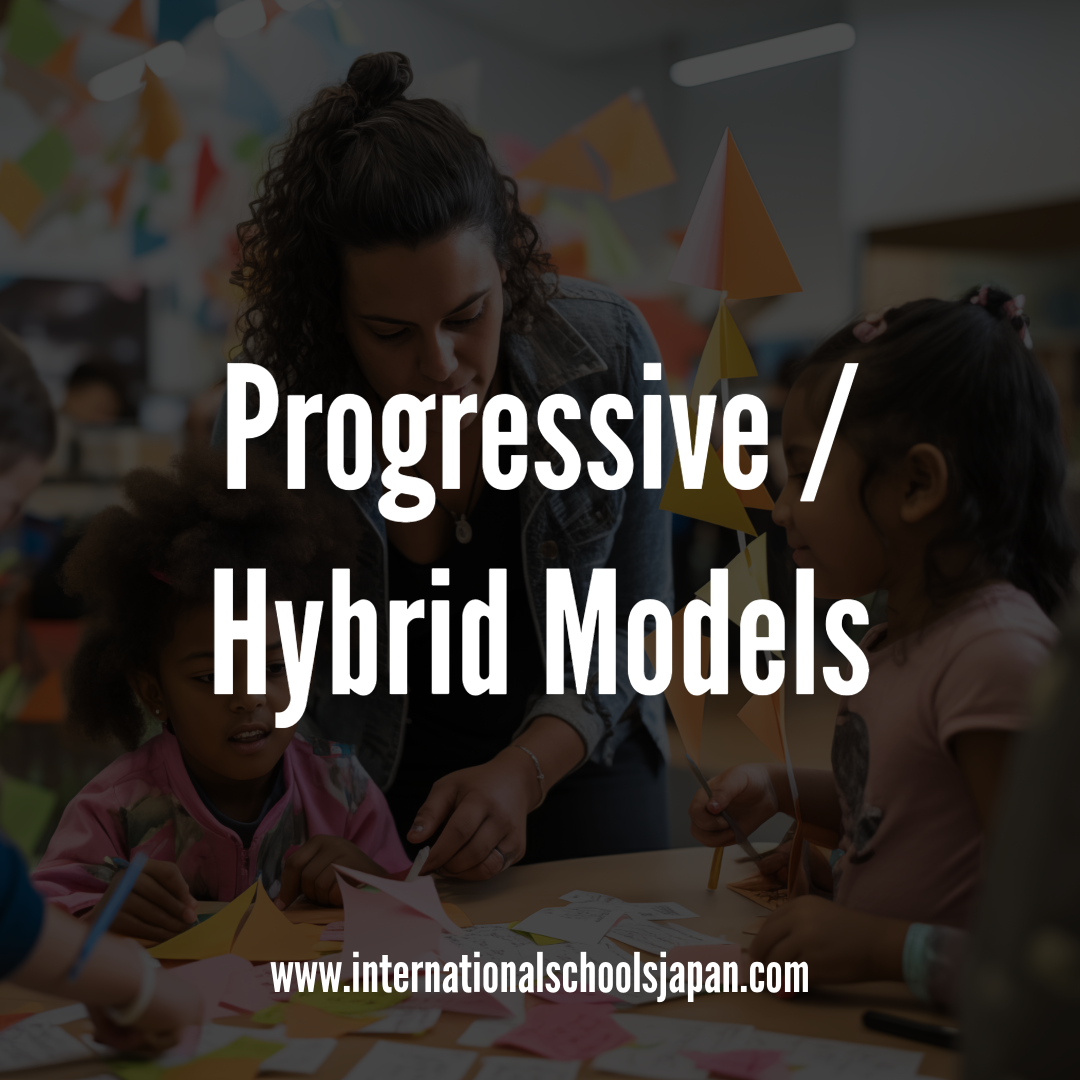
Progressive / Inquiry-Based / Hybrid Models
Progressive and inquiry-based schools often design their own curricula or blend elements from multiple systems to create a more flexible educational experience. These models typically emphasize collaboration, creativity, project-based learning, and real-world application of knowledge. Assessment may rely less on standardized exams and more on portfolios, presentations, and ongoing teacher evaluation. A major strength of these approaches is their adaptability to individual student interests and evolving educational philosophies. They often prioritize social-emotional development, communication skills, and critical thinking alongside academic content, making them appealing to families seeking a less traditional structure.
French, German, and Other National Systems
National curricula such as the French, German, or other European systems are closely aligned with their respective countries’ education ministries and academic standards. Instruction is frequently delivered in the national language, and students typically work toward nationally recognized qualifications such as the French Baccalauréat or German Abitur. These systems are valued for their consistency, academic rigor, and cultural immersion, which can be beneficial for families intending to maintain strong ties to their home country or pursue higher education there. They often provide a clear academic pathway and continuity for students transitioning between schools within the same national framework, while also offering exposure to multilingual and multicultural environments.